
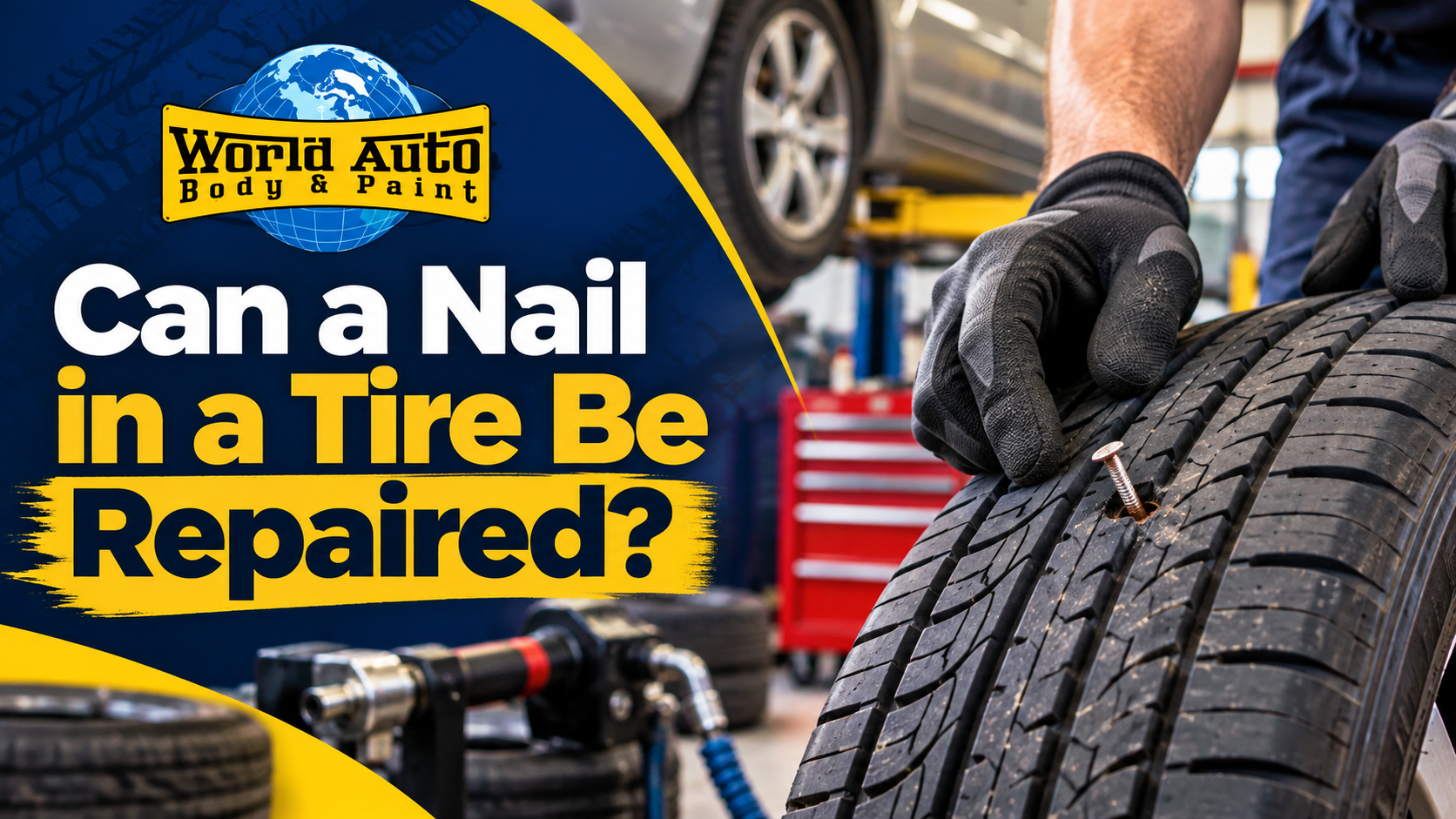
Finding a nail in the tire tread can leave you wondering if you can continue driving or need to replace the entire tire. Sometimes, the damage is small enough for a professional repair. In other cases, the puncture may compromise the tire’s structure, making replacement the safer option.
The right decision depends on several factors, including where the nail entered the tire, how large the puncture is, whether the tire has lost air, and whether internal damage has occurred. Acting quickly can help prevent a manageable puncture from becoming a more serious problem.
Drivers in Los Angeles encounter a range of road conditions, including busy streets, construction areas, and debris that can damage tires. Understanding what to do when you discover a nail can help you make a safer decision and avoid unnecessary expenses.
Can a Nail in a Tire Be Repaired?
Yes, a nail in a tire can often be repaired, provided the puncture meets accepted tire repair guidelines. The location and size of the damage, the tire’s overall condition, and whether it has been driven while underinflated all influence the outcome.
Punctures in the central tread area are generally more likely to qualify for tire repair than damage near the tire’s shoulder or sidewall. The tread is the part of the tire that contacts the road, while the shoulder connects the tread to the sidewall.
A qualified tire professional will typically remove the tire from the wheel and inspect its interior before deciding whether a repair is appropriate. This inspection helps identify damage that may not be visible from the outside.
Several factors determine whether a tire can be repaired:
- Puncture location: Damage within the repairable tread area may qualify, while shoulder and sidewall punctures generally do not.
- Puncture size: The hole must fall within the applicable repair limits. A common guideline for passenger tires limits repairable punctures to about 1/4 inch (6 mm), although the tire manufacturer’s specifications and applicable standards must be followed.
- Internal condition: The tire must not have significant structural damage, exposed cords, or damage caused by being driven while severely underinflated.
- Previous repairs: Existing repairs or multiple punctures close together may affect whether another repair is safe.
A nail does not automatically mean you need a new tire. However, you should not assume that a puncture is safe simply because the tire still holds air.
What Should You Do If You Find a Nail in Your Tire?
Discovering a nail can be stressful, particularly when you’re away from home or preparing for a drive. Taking a few precautions can help you avoid making the damage worse.
1. Leave the Nail in Place
Resist the temptation to pull the nail out immediately. The object may be partially sealing the puncture and slowing the loss of air. Removing it could cause the tire to deflate more quickly.
Leave the nail where it is until the tire can be assessed safely by a professional.
2. Check for Signs of Air Loss
Look for visible signs that the tire is losing pressure, such as a noticeably deflated sidewall or a tire pressure warning light on your dashboard. If you have a tire pressure gauge and can check the pressure safely, compare the reading with the recommended pressure listed on the driver’s door-jamb label.
Do not rely on appearance alone. A tire can be underinflated without looking completely flat.
3. Avoid Driving on a Flat or Severely Underinflated Tire
Driving on a tire with insufficient air pressure can damage its internal structure, even if the original puncture was relatively small. Continued driving may turn a repairable problem into damage that requires replacement.
If the tire is flat, losing air rapidly, or visibly damaged, stop in a safe location and arrange roadside assistance or use your spare tire if it is suitable and you know how to install it safely.
If the tire appears to be holding pressure, do not assume it is safe for an extended drive. Have it assessed promptly and follow professional guidance on moving the vehicle.
4. Arrange a Professional Inspection
A professional tire inspection is the most reliable way to determine the next step. A technician can examine the puncture, assess the tire’s internal condition, and establish whether a permanent repair is possible.
Avoid relying on an external plug or sealant as a guaranteed permanent solution. These products may have limited uses, but they do not replace a proper inspection and an approved repair when the tire is eligible.
When Can a Nail Puncture Be Repaired?
Not every nail puncture requires a new tire. If the damage is limited, located in an approved repair area, and the tire remains structurally sound, a professional may be able to repair it safely.
The important distinction is between a puncture that affects only the repairable tread area and damage that compromises the tire’s internal structure. A proper assessment helps determine which situation applies.
The Puncture Is Within the Tread Area
The tread is the thick, patterned section of rubber that contacts the road. A nail that enters the central tread area is generally more likely to be repairable than one that penetrates the shoulder or sidewall.
However, location alone does not guarantee that a repair is possible. A technician must also consider the puncture’s size, the tire’s condition, and any previous damage.
The Puncture Is Within the Permitted Size Limit
Puncture size is another important factor. Many tire repair guidelines limit repairable punctures on passenger tires to approximately 1/4 inch (6 mm) in diameter, but the applicable limit depends on the tire manufacturer’s instructions and repair standards.
A small nail may leave a repairable hole, while a larger object or irregular puncture may damage too much of the tire’s structure.
An auto body shop in Los Angeles can measure the damage and determine if it falls within the permitted limits. Avoid trying to widen the hole or remove the object to assess its size yourself.
The Tire Has Not Sustained Internal Damage
A tire can look normal from the outside and still have internal damage. Driving on it while underinflated or completely flat can cause the inner liner and structural components to deteriorate.
During an inspection, a technician checks for internal damage, signs of overheating, and other conditions that could make a repair unsafe.
If the tire’s internal structure remains sound and the puncture meets the applicable criteria, a permanent repair may be possible.
The Tire Is Otherwise in Good Condition
The tire’s overall condition also matters. Excessive tread wear, existing damage, or previous repairs near the same area may make another repair unsuitable.
A tire that has reached the end of its service life may need replacement even if the nail puncture itself is small.
When Does a Nail in a Tire Require Replacement?
Sometimes, repairing a puncture is not a safe option. A tire professional may recommend replacement when the damage affects areas responsible for maintaining the tire’s strength or when the tire has deteriorated beyond acceptable limits.
1. The Nail Has Punctured the Sidewall or Shoulder
The sidewall is the flexible section between the tread and the wheel. It bends as the tire moves and helps support the vehicle’s weight. The shoulder is the area where the tread transitions into the sidewall.
Damage in these areas generally cannot be repaired safely using standard passenger-tire puncture repair methods.
Even a small nail can compromise the tire’s structure if it penetrates the sidewall. A surface inspection may not reveal the full extent of the damage.
If you find a nail near the outer edge of the tread, have the tire assessed rather than assuming it qualifies for repair.
2. The Puncture Is Too Large
A puncture that exceeds the applicable repair-size limit may remove too much material or damage the tire’s internal structure. Larger holes, irregular tears, and damage caused by substantial objects may require replacement.
Using a plug or patch on damage that falls outside approved limits does not make the tire safe.
A technician can determine the size and condition of the puncture and recommend an appropriate solution.
3. You Have Driven on a Flat Tire
Driving on a flat tire can cause significant internal damage. Without sufficient air pressure, the sidewalls may become compressed between the road and the wheel, generating heat and weakening the tire’s structure.
The resulting damage may not be obvious from the outside. Even if the tire can be reinflated, it may no longer be safe to use.
If you continued driving after discovering a nail in tire tread and the pressure dropped substantially, tell the technician. This information helps determine whether the tire needs closer internal inspection or replacement.
4. The Tire Has Multiple Punctures or Previous Repairs
Multiple punctures can affect the tire’s ability to maintain a reliable seal and structural integrity. Damage that is too close to an existing repair may also make another repair unsuitable.
The decision depends on the punctures’ locations, spacing, size, and the tire manufacturer’s repair requirements.
A professional should evaluate the complete tire rather than treating each hole as an isolated problem.
5. The Tire Is Worn or Structurally Damaged
A puncture may be repairable in principle, but the tire itself may no longer be safe for continued use.
Excessively worn tread, exposed cords, deep cuts, bulges, or other structural damage can justify replacement. A new repair cannot restore a tire that has already deteriorated beyond safe operating limits.
Can You Drive With a Nail in Your Tire?
Driving with a nail in your tire is risky because the object may allow air to escape gradually or cause rapid pressure loss. The level of risk depends on the tire’s pressure, the puncture’s location, and the extent of any damage.
A tire that appears inflated may still be losing air. Continuing to drive without checking its condition can increase the likelihood of further damage, reduced handling, or a sudden loss of pressure.
If you notice a nail in tire tread, use these guidelines:
- The tire is flat or severely underinflated: Do not drive on it. Move to a safe location if necessary and arrange roadside assistance or use a suitable spare.
- The tire pressure warning light is on: Check the pressure when it is safe to do so. Do not ignore the warning or assume the nail is harmless.
- The tire appears to be holding pressure: Arrange a prompt inspection. Avoid unnecessary driving until you know whether the tire is safe to use.
- The tire has a bulge, visible sidewall damage, or a rapid leak: Do not continue driving on it. Arrange professional assistance.
Avoid pulling the nail out to see how quickly the tire loses air. The object may be slowing the leak, and removing it can make the situation worse.
A professional inspection can establish whether the tire can be repaired or needs replacement. The safest choice depends on its actual condition, not simply on whether it still looks inflated.
How Do Professionals Repair a Nail in a Tire?
When a puncture meets the requirements for repair, a tire professional can restore the tire’s ability to hold air using an approved repair method. The process involves more than simply covering the hole because the technician must also check for hidden damage that could affect safety.
Here’s what typically happens during a professional nail in tire repair.
1. Inspect the Tire and Locate the Puncture
The technician first identifies the puncture’s location and assesses the tire’s overall condition. They check the tread, shoulder, and sidewall for damage, along with any signs of air loss or previous repairs.
The tire is generally removed from the wheel so the inside can be examined. This step helps reveal internal damage that may not be visible from the outside, particularly if the vehicle has been driven while underinflated.
2. Determine Whether the Tire Is Repairable
The technician evaluates the puncture’s size, location, and condition against applicable repair guidelines. They also look for signs of structural damage, excessive wear, or damage caused by driving on a flat tire.
If the puncture falls outside the approved repair area or the tire has significant internal damage, replacement may be necessary.
3. Apply an Approved Repair
When the tire qualifies for repair, the technician prepares the damaged area and installs an appropriate repair unit. A common permanent repair method uses a combination patch-plug that seals the puncture channel and the inner liner.
The repair must follow the tire manufacturer’s requirements and applicable industry guidelines. An external plug alone may not provide an adequate permanent repair because it does not allow the same internal inspection and sealing process.
4. Reinstall the Tire and Check for Leaks
After completing the repair, the technician reinstalls the tire, inflates it to the appropriate pressure, and checks the repaired area for leaks. The wheel is then secured according to the vehicle manufacturer’s specifications.
A final check helps confirm that the repair is holding air and the tire is ready for use.
Tire Plug vs. Tire Patch: Which Is Better?
Drivers often hear about tire plugs and patches when researching puncture repairs. Although both methods address tire damage, they work differently.
Tire Plugs
A plug fills the puncture channel to help prevent air from escaping. However, an external plug installed alone does not provide the same internal inspection and repair process as an approved permanent repair.
Plug-only repairs may be unsuitable for certain punctures, especially when the damage is outside the permitted repair area or the tire’s internal condition is unknown.
Tire Patches
A patch is applied to the inside of the tire to seal the inner liner. However, a patch alone may not adequately seal the entire puncture channel.
This distinction matters because air can travel through the puncture path even when the inner liner appears sealed.
Combination Patch-Plug Repairs
A combination repair unit seals the puncture channel and the inner liner. When installed correctly on a tire that meets the relevant repair criteria, this method is commonly used for permanent puncture repairs.
The right approach depends on the puncture, the tire’s condition, and the applicable repair guidelines. A qualified technician can determine which option, if any, is appropriate.
How Much Does It Cost to Repair a Nail in a Tire?
The cost of repairing a punctured tire depends on the tire’s condition, the repair method, and the shop’s labor rates. A straightforward puncture that meets repair guidelines will generally cost less than replacing the entire tire.
Drivers in Los Angeles should consider several factors when comparing repair and replacement costs.
- Puncture location: Damage in the repairable tread area may qualify for a relatively straightforward repair, while shoulder or sidewall damage generally requires replacement.
- Tire type: Passenger-car tires, performance tires, and specialized tires may have different service requirements.
- Internal damage: If the tire has been driven while underinflated, additional damage may make repair impossible.
- Tire replacement cost: If the tire cannot be repaired, the price will depend on its size, brand, type, and availability.
- Additional services: Mounting, balancing, and other required work may affect the final bill.
Before approving the work, ask the shop to explain whether the tire qualifies for a permanent repair and what the total cost includes.
A low repair price should not be the only consideration. If the puncture compromises the tire’s structure, replacing it is the safer choice.
How Can You Prevent Nail Punctures and Tire Damage?
You cannot eliminate every risk of tire punctures, but a few habits can help you identify problems early and reduce avoidable damage.
Inspect Your Tires Regularly
Look over your tires for embedded objects, cuts, bulges, cracks, and unusual tread wear. Pay attention to changes in appearance between routine checks.
If you spot a nail, avoid removing it yourself. Arrange an inspection to determine whether the tire is losing air and whether a repair is possible.
Maintain the Correct Tire Pressure
Check tire pressure regularly when the tires are cold, and follow the recommended pressure listed on the driver’s door-jamb label or in your owner’s manual.
Correct pressure helps your tires operate as intended and reduces the risk of damage associated with underinflation. Tire pressure monitoring systems are useful, but they do not replace manual checks.
Be Careful Around Road Debris
Construction zones, road shoulders, parking areas, and busy streets can contain nails, screws, and other sharp objects. Stay alert and avoid debris when it is safe to do so.
Do not make sudden steering movements or abrupt lane changes to avoid a small object. Maintaining control of your vehicle is more important than avoiding every piece of debris.
Address Slow Leaks Promptly
If you need to add air to the same tire repeatedly, do not treat the issue as normal. A nail, damaged valve stem, leaking bead, or another problem could be responsible.
Prompt tire puncture repair or replacement, depending on the inspection results, can help prevent additional damage.
Follow Your Tire Maintenance Schedule
Regular tire inspections can identify worn tread, uneven wear, and other issues that may affect safety. If your vehicle has persistent handling problems or uneven tire wear, ask a qualified professional to assess the tires and related components.
These habits cannot guarantee that you will never encounter a puncture, but they can help you respond more effectively when tire damage occurs.
Get Your Tire Damage Checked Before Driving Further
If you discover a nail in tire tread while driving around Los Angeles, avoid removing the object and arrange a professional assessment. A qualified tire technician can inspect the damage, explain your options, and help you determine the safest next step.
World Auto Body & Paint Center serves drivers in Los Angeles with automotive services and vehicle inspections. Contact the team to discuss your vehicle’s needs and confirm service availability. Addressing vehicle problems promptly can help you make informed maintenance decisions and avoid unnecessary risks on the road.
Frequently Asked Questions
1. Can a Nail in a Tire Be Repaired Without Replacing It?
Yes, some punctures can be repaired without replacing the tire. The damage must meet applicable repair guidelines, including requirements for puncture location and size. The tire must also be free of significant internal damage and have sufficient remaining tread.
2. How Long Can You Drive With a Nail in Your Tire?
There is no universally safe distance for driving with a nail in your tire. The tire may lose air gradually or rapidly, and continued driving can worsen the damage. Avoid unnecessary driving and arrange a prompt inspection. Do not drive on a flat or severely underinflated tire.
3. Should You Pull a Nail Out of a Tire?
No. Leave the nail in place until the tire can be assessed safely. The object may be slowing the air leak, and removing it could cause the tire to lose pressure more quickly.
4. Can a Nail in a Tire Cause a Slow Leak?
Yes. A nail can create a small puncture that allows air to escape gradually. You may notice repeated pressure loss or a tire pressure warning light. A professional inspection can confirm the source of the leak and determine whether the tire can be repaired.
5. Can a Nail in the Sidewall of a Tire Be Repaired?
A puncture in the sidewall generally cannot be repaired using standard passenger-tire puncture repair methods. The sidewall flexes as the tire moves, and damage in this area can compromise its structural integrity. Replacement is usually the safer option.
6. Is a Tire Plug a Permanent Repair?
An external plug installed alone is generally not considered an adequate permanent repair under common industry repair guidelines. A qualifying puncture typically requires an approved repair that seals the puncture channel and inner liner, such as a properly installed combination patch-plug.
7. Is a Patch Better Than a Plug for a Nail in a Tire?
A patch seals the inner liner, while a plug fills the puncture channel. A patch alone or an external plug alone may not provide the complete repair required. A combination patch-plug is commonly used when the puncture and tire condition meet the applicable repair criteria.
8. How Much Does It Cost to Repair a Nail in a Tire?
The cost depends on the tire type, puncture location, repair method, and local labor rates. A qualifying puncture repair is generally less expensive than replacing the tire. Ask a local tire shop for a current estimate after the damage has been assessed.
9. Can a Tire With a Nail in It Lose Air Overnight?
Yes. A puncture may allow air to escape slowly while the vehicle is parked. The rate of pressure loss depends on the size and location of the puncture and how well the nail seals the opening. Check the tire safely and arrange an inspection rather than assuming it will hold pressure.
10. How Do You Know If a Tire With a Nail Needs Replacement?
Replacement may be necessary if the puncture is in the shoulder or sidewall, exceeds permitted repair limits, or has caused internal structural damage. Severe tread wear, exposed cords, and damage from driving on a flat tire can also make a tire unsafe to repair. A professional inspection is the best way to determine the appropriate option.