
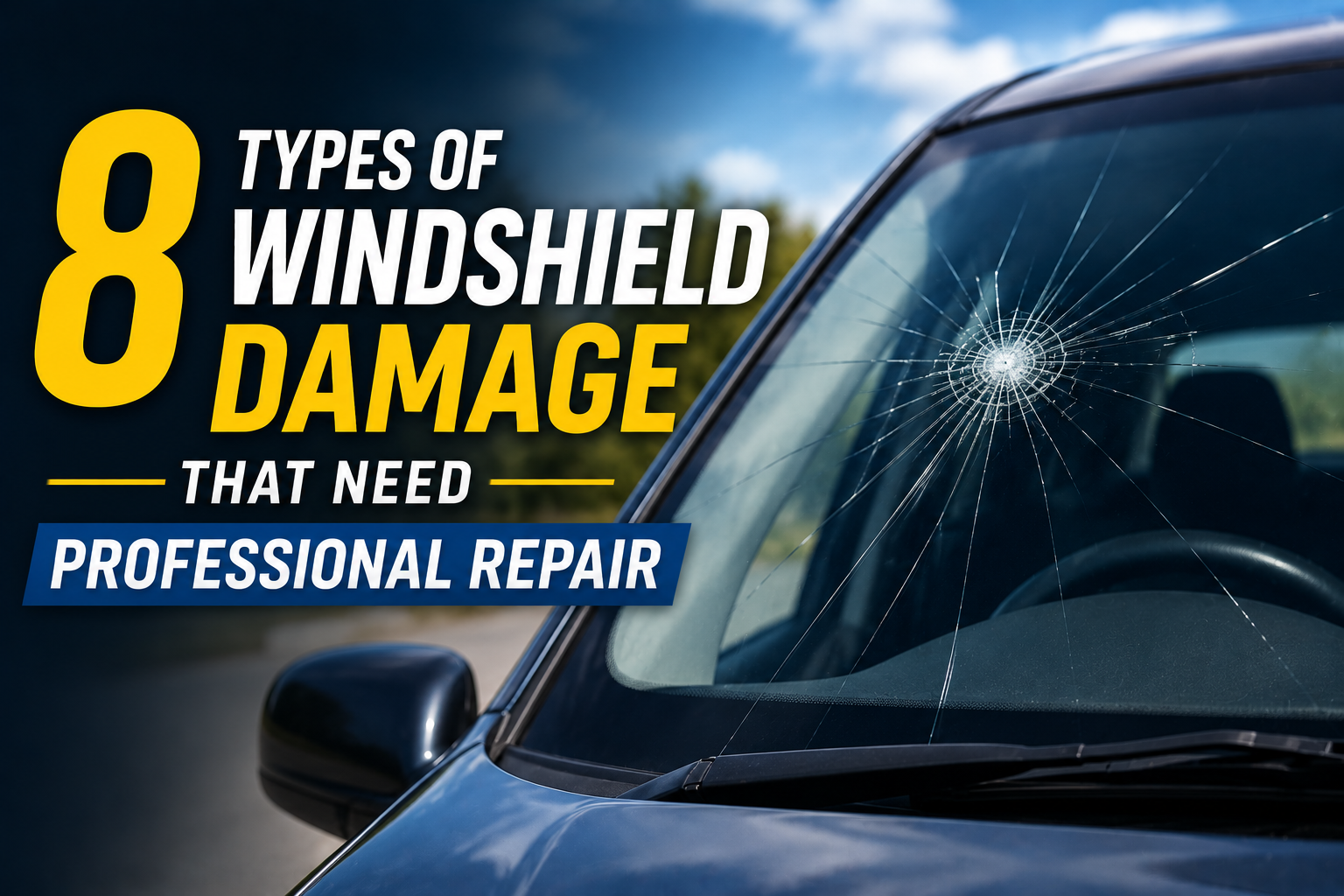
Windshield damage can happen in seconds. A small rock kicked up by another vehicle, sudden temperature changes, road debris, or a collision can leave behind a chip or crack that may seem harmless at first. However, even minor windshield damage can spread, obstruct your view, or compromise the glass over time. Addressing the problem early can help prevent a small repair from becoming a larger and more expensive issue.
Your windshield also serves purposes beyond visibility. It helps protect occupants from outside elements and contributes to the vehicle’s overall structural integrity. For vehicles equipped with cameras or sensors near the windshield, damaged or improperly repaired glass can also affect the performance of certain driver-assistance features.
Not every chip or crack requires a complete windshield replacement. The appropriate solution depends on the type, size, depth, and location of the damage. Understanding the different types of windshield damage can help you recognize when it’s time to seek professional attention.
This guide covers eight common types of windshield damage that shouldn’t be ignored and explains what makes each one a concern.
Why Windshield Damage Shouldn’t Be Ignored
A small chip may not seem like an urgent problem when you can still see clearly through the windshield. However, windshield damage can change with driving conditions and become more difficult to address over time.
Small Damage Can Spread
Windshield glass is exposed to constant vibration as you drive. Temperature changes can create additional stress, particularly when damaged glass is exposed to sudden shifts between hot and cold conditions.
A chip can eventually develop into a crack, while an existing crack can continue spreading across the windshield. Once damage becomes more extensive, repair may no longer be an option and replacement may become necessary.
Prompt windshield repair in Los Angeles can help prevent certain types of minor damage from progressing. Having the damage assessed early also gives a professional a better opportunity to determine whether the existing glass can be preserved.
Damaged Glass Can Affect Visibility
Your windshield provides your primary view of the road ahead, so any damage that interferes with visibility deserves attention.
Cracks, chips, scratches, and pitting can:
- Distort objects in your line of sight
- Create glare from headlights and sunlight
- Make it harder to see road markings
- Distract you while driving
- Reduce visibility during rain or at night
Damage directly in the driver’s field of vision can be particularly problematic. Even if the windshield remains structurally intact, visual distortion can make driving more difficult.
Your Windshield Contributes to Vehicle Safety
The windshield is an important part of your vehicle’s safety system. It helps protect occupants during a collision and works with other components of the vehicle’s structure.
Modern windshields may also accommodate cameras and sensors used by advanced driver-assistance systems. Damage around these areas can require additional consideration when the glass is repaired or replaced.
That’s why windshield problems shouldn’t be treated as purely cosmetic. A professional assessment can determine the extent of the damage and identify the appropriate solution.
8 Types of Windshield Damage That Need Professional Repair
Windshield damage comes in several forms, and each type can affect the glass differently. Recognizing the pattern can help you understand why professional evaluation may be necessary.
1. Bullseye Chips
A bullseye chip is one of the most recognizable types of windshield damage. It typically appears as a circular impact mark with a central point where an object struck the glass.
Common causes include:
- Rocks or gravel kicked up by other vehicles
- Road debris
- Small objects falling onto the windshield
- Construction debris
A bullseye chip may initially appear small and contained, but changes in temperature and continued road vibration can cause cracks to develop around the impact point.
The size and depth of the chip help determine whether professional windshield chip repair is possible. Addressing the damage while it’s still small can help prevent it from developing into a larger crack that requires windshield replacement.
2. Star Breaks
A star break occurs when several small cracks extend outward from a central impact point, creating a pattern that resembles a star.
This type of damage commonly occurs after a relatively forceful impact from a piece of road debris. The cracks can vary in length and direction, and additional cracks may develop if the damage isn’t addressed.
Several factors influence whether a star break can be repaired, including:
- Overall size
- Number and length of cracks
- Depth of the damage
- Location on the windshield
- Whether the glass has been contaminated by dirt or moisture
A professional vehicle assessment in Los Angeles can determine whether the damage is suitable for repair or if replacement is a safer option.
3. Combination Breaks
A combination break contains more than one type of damage in the same area. For example, a central impact point may be surrounded by multiple cracks, creating characteristics of both a chip and a star break.
These breaks can occur after a stronger impact from road debris or another object. Because several types of damage are present, determining whether the windshield can be repaired requires a closer assessment.
Factors that may affect the repair decision include:
- Size of the impact
- Length and number of surrounding cracks
- Depth of the damage
- Location on the windshield
- Condition of the surrounding glass
A professional windshield repair assessment in Los Angeles can determine whether the damage can be stabilized or if replacement is more appropriate.
4. Stress Cracks
Not every windshield crack is caused by a visible impact. A stress crack can develop without an obvious object striking the glass.
Changes in temperature, especially in Los Angeles, are one possible contributing factor. A windshield may expand and contract as temperatures fluctuate, creating stress within the glass. Existing imperfections, pressure around the edges, or previous damage can also contribute to cracking.
Stress cracks often appear as a relatively straight line that gradually extends across the glass. Because there may be no obvious impact point, drivers sometimes overlook them or assume they are harmless.
If you notice a crack that appears to have developed on its own, don’t wait for it to become larger. A professional can examine the glass and determine whether windshield repair or replacement is necessary.
5. Edge Cracks
Edge cracks begin close to the perimeter of the windshield and can be particularly concerning because of their location.
The edges of the windshield are important points of structural support. A crack that begins near the edge can spread toward the center as the glass experiences vibration, temperature changes, and everyday driving stress.
Edge cracks may result from:
- Road debris
- Installation issues
- Structural stress
- Temperature changes
- Previous impact damage
Their proximity to the edge can also make them more difficult to repair successfully. A professional assessment is important to determine whether the glass remains suitable for repair or needs to be replaced.
If an edge crack appeared after an accident, the surrounding area should also be inspected for hidden damage. Professional collision repairs in Los Angeles can help identify problems involving the windshield frame, surrounding body panels, or other components affected by the impact.
6. Long Cracks
Long cracks can extend several inches across the windshield and may continue growing if they’re left untreated.
A crack can become longer due to:
- Road vibrations
- Temperature fluctuations
- Additional impacts
- Pressure on the windshield
- Normal vehicle movement
The longer a crack becomes, the more difficult it may be to repair effectively. Its location also matters. A long crack directly across the driver’s field of vision can create significant visibility concerns.
Drivers shouldn’t attempt to determine repairability based on length alone. A professional auto body shop in Los Angeles can assess the crack’s depth, location, and overall condition to determine the safest solution.
If replacement is required, addressing the problem promptly helps restore clear visibility and prevents the damaged glass from becoming a larger safety concern.
7. Windshield Pitting
Windshield pitting occurs when repeated impacts from small rocks, gravel, sand, and other road debris leave tiny marks across the glass. Unlike a single chip, pitting usually appears as numerous small imperfections scattered across the windshield.
A heavily pitted windshield may cause:
- Glare when driving toward the sun
- Increased reflection from headlights at night
- Reduced visual clarity
- Difficulty seeing through the glass in certain lighting conditions
Light pitting may not require immediate action, but extensive surface damage can affect visibility enough to warrant professional assessment. In some cases, the windshield may need to be replaced rather than repaired, particularly when the damage is widespread or directly affects the driver’s field of vision.
8. Scratches and Surface Damage
Windshield scratches can develop from several sources, including worn windshield wipers, dirt trapped beneath the blades, improper cleaning methods, and contact with abrasive materials.
Small surface scratches may initially be difficult to notice. However, deeper or widespread scratches can create glare and visual distortion, particularly when sunlight or headlights hit the glass at certain angles.
Watch for:
- Fine lines across the glass
- Scratches concentrated in the wiper path
- Hazy areas that remain after cleaning
- Increased glare at night
- Distorted visibility through certain sections of the windshield
Minor surface imperfections may sometimes be addressed professionally, but deep scratches cannot always be removed without affecting the integrity of the glass. A professional evaluation can determine the safest and most effective solution.
How to Know If Your Windshield Needs Repair or Replacement
Seeing damage doesn’t automatically mean you need a new windshield. The appropriate solution depends on several factors, including the type, size, depth, and location of the damage.
Consider the Size of the Damage
Small chips and limited areas of damage may be candidates for professional repair. Larger cracks, extensive combination breaks, and widespread surface deterioration may require replacement.
Size alone shouldn’t determine the decision. A relatively small crack in a sensitive location can be more concerning than a larger chip in another area of the windshield.
Consider Where the Damage Is Located
Location can be just as important as size.
Damage may require additional attention if it’s:
- Directly in the driver’s line of sight
- Close to the edge of the windshield
- Near cameras or sensors
- Around areas where the glass connects with the vehicle’s structure
Damage near the edge can spread more easily, while damage in front of cameras or sensors may require additional considerations during repair or replacement.
Consider the Depth and Type of Damage
A windshield consists of multiple layers, so damage isn’t always limited to the surface. A professional technician can evaluate how deeply the glass has been affected and determine whether the damage can be repaired effectively.
Trying to repair severe damage with a DIY kit can also produce inconsistent results or make future professional repairs more difficult. Professional assessment is the better approach when you’re uncertain about the condition of the glass.
Get a Professional Vehicle Inspection
If your windshield was damaged during an accident, don’t assume the glass is the only component that needs attention. An impact can affect the surrounding frame, body panels, mounting points, and other components.
A professional vehicle inspection can help identify visible and hidden damage and determine the appropriate repair approach. If the windshield damage occurred as part of a collision, a broader collision repairs assessment may be necessary to make sure the surrounding areas are properly restored.
How to Prevent Windshield Damage
While you can’t eliminate every road hazard, a few simple habits can reduce your risk of windshield damage and help preserve the condition of your glass.
Maintain a Safe Following Distance
Keeping more distance between your vehicle and trucks or other vehicles reduces your exposure to rocks, gravel, and other debris that can be thrown backward by their tires.
This is particularly important in construction zones, gravel roads, and recently resurfaced roads.
Replace Worn Wiper Blades
Wiper blades with cracked or hardened rubber can leave streaks and potentially contribute to surface scratches.
Inspect your blades regularly and replace them when they begin leaving streaks, skipping across the glass, or making unusual noises.
Avoid Sudden Temperature Changes
Rapid temperature changes can place additional stress on existing windshield damage. Pouring very hot or very cold water over a damaged windshield can make an existing chip or crack worse.
If you already notice a chip or crack, have it assessed before exposing the glass to significant temperature changes.
Address Minor Damage Early
A small chip is easier to overlook than a large crack, but delaying windshield repair in Los Angeles can allow the damage to spread.
Including windshield condition in your regular car maintenance routine makes it easier to spot new chips, cracks, scratches, and pitting before they become more extensive problems.
Protect Your Windshield With Professional Repair
Windshield damage can range from small bullseye chips and star breaks to long cracks, pitting, and surface scratches. While some minor damage may be repairable, larger or strategically located damage may require windshield replacement. Getting a professional assessment early can help you determine the right solution before the problem becomes more extensive.
At World Auto Body & Paint Center, professional evaluation can help identify the extent of windshield damage and determine the appropriate next step. If the damage occurred during an accident, a thorough vehicle inspection can also help identify related damage around the windshield, body panels, or other affected areas.
Taking care of windshield problems promptly is an important part of car maintenance and can help preserve clear visibility and safe driving conditions. If your windshield was damaged in a collision, addressing the glass as part of your broader collision repairs can help ensure the vehicle is properly restored.
Don’t wait for a small chip or crack to become a larger problem. Contact World Auto Body & Paint Center to have your windshield and surrounding areas professionally assessed.
Frequently Asked Questions
1. What Types of Windshield Damage Can Be Repaired?
Small chips, bullseye breaks, and some limited cracks may be repairable, depending on their size, depth, location, and overall condition. A professional assessment is the best way to determine whether repair is appropriate.
2. When Does a Windshield Chip Need Professional Repair?
A chip should be assessed as soon as possible, particularly if it’s growing, located in the driver’s field of vision, or close to the edge of the windshield. Prompt attention may prevent the damage from spreading.
3. Can a Long Crack in a Windshield Be Repaired?
Some short cracks may be repairable, but longer cracks may require windshield replacement. The location, depth, and condition of the glass also influence the repair decision.
4. Is It Safe to Drive With a Cracked Windshield?
It depends on the size and location of the crack. Damage that obstructs the driver’s view or compromises the windshield’s structural integrity can create a safety concern. It’s best to have cracked glass professionally assessed before continuing to drive normally.
5. How Quickly Can a Windshield Crack Spread?
There isn’t a fixed timeline. Temperature changes, road vibrations, additional impacts, and existing stress can cause a crack to spread quickly. Addressing the damage early can reduce the risk of further cracking.
6. What Is the Difference Between Windshield Repair and Replacement?
Windshield repair preserves the existing glass by treating limited damage, while replacement involves removing the damaged windshield and installing new glass. The appropriate option depends on the type and extent of the damage.
7. Can Windshield Damage After a Collision Be Repaired?
It may be possible to repair certain types of windshield damage after a collision. However, the surrounding frame, body panels, mounting points, and other components should also be inspected to identify hidden damage.
8. How Much Does Windshield Repair Typically Cost?
The cost varies based on the type, size, location, and severity of the damage, as well as the vehicle’s make and model. A professional assessment can provide a more accurate understanding of the repair required.
9. Can Scratches and Pitting on a Windshield Be Repaired?
Minor surface imperfections may sometimes be addressed professionally. Extensive pitting or deep scratches that affect visibility may require windshield replacement instead.
10. How Can I Prevent Windshield Damage While Driving?
Maintain a safe following distance, especially behind trucks, inspect and replace worn wiper blades, avoid sudden temperature changes, and address chips or cracks promptly. Regular car maintenance can also help you identify windshield problems before they become more serious.