
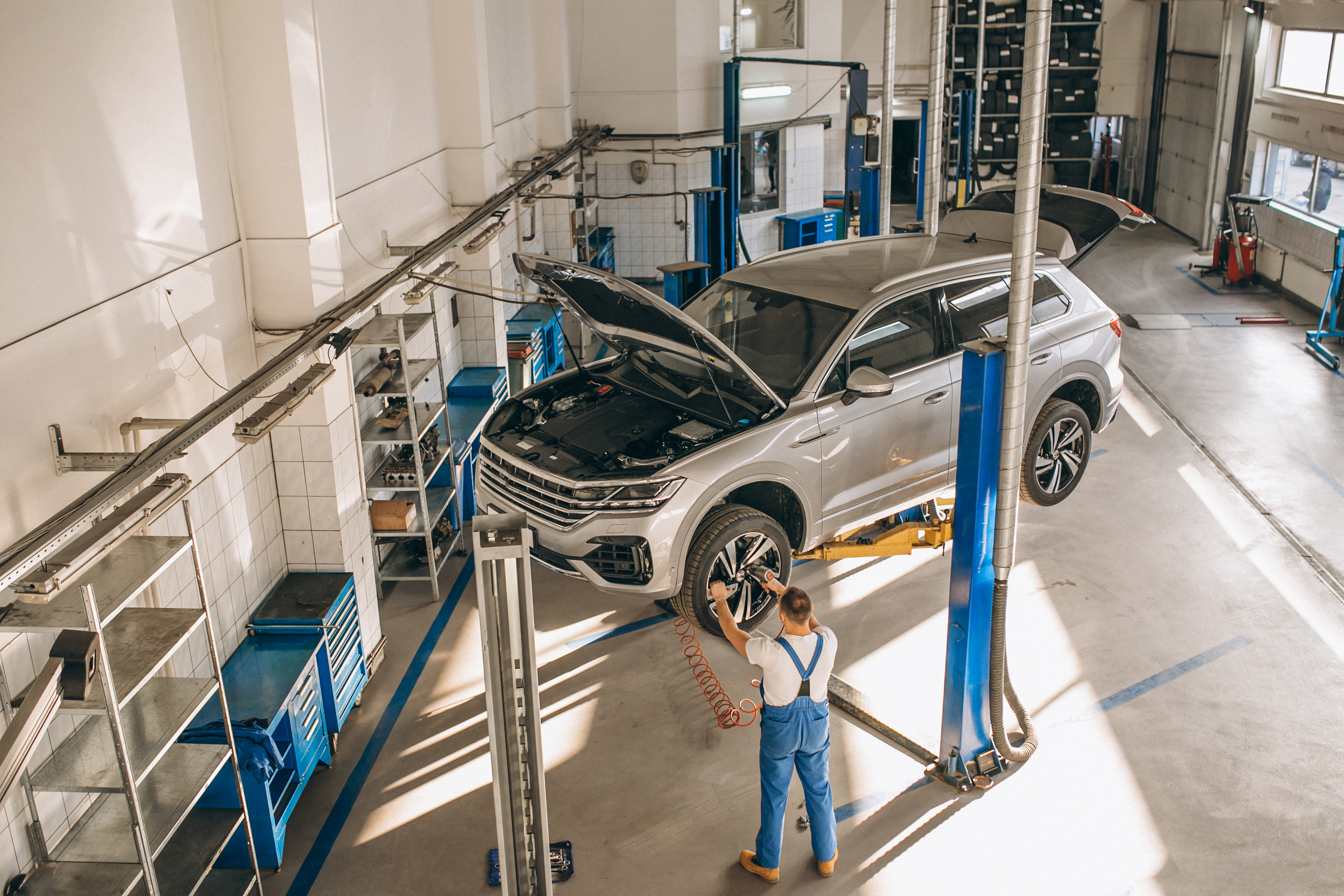
Regular car maintenance mistakes often begin with small oversights that seem harmless at first. Ignoring a dashboard warning light, postponing an oil change, or overlooking tyre pressure may not cause immediate problems, but these habits can gradually reduce your vehicle’s performance, safety, and lifespan. Staying proactive with routine maintenance helps you avoid unexpected breakdowns and costly repairs while preserving your vehicle’s long-term value.
Keeping up with maintenance has become increasingly important as vehicle ownership costs continue to rise. The average annual cost of owning and operating a new vehicle is $11,577, with maintenance, repairs, and tires accounting for 11.04 cents per mile driven. Preventive care can help drivers avoid larger repair bills and keep these ownership costs under control.
This guide highlights 12 common car maintenance mistakes that can shorten your vehicle’s lifespan and explains how avoiding them can help keep your car safe, dependable, and looking its best.
Why Avoiding Car Maintenance Mistakes Matters
Understanding why routine upkeep matters is the first step toward avoiding unnecessary repairs. Many maintenance issues start small and seem insignificant, but ignoring them can have lasting effects on your vehicle’s safety, reliability, and overall lifespan. Here’s why staying on top of maintenance makes a difference.
Small Problems Become Expensive Repairs
Many major automotive repairs begin as minor issues that are easy and inexpensive to address. A worn belt, low fluid level, or small paint chip may not seem urgent, but neglecting these problems often allows them to escalate.
For example:
- Low engine oil can accelerate internal engine wear.
- A small paint chip can expose bare metal and lead to rust.
- Poor tire maintenance can affect suspension and steering components.
- Minor body damage can allow moisture to reach the underlying metal.
Routine inspections and timely repairs reduce the risk of more extensive damage while helping your vehicle operate efficiently.
Neglected Maintenance Can Affect Safety
Maintenance isn’t only about extending your vehicle’s lifespan. It also helps protect everyone on the road.
Essential components such as brakes, tires, suspension, lights, and steering systems naturally wear over time. Ignoring warning signs can reduce your ability to stop quickly, maintain control, or respond to changing road conditions.
After driving through severe potholes or being involved in even a minor collision, scheduling a professional vehicle inspection helps identify damage that may not be immediately visible. Catching these issues early supports safer driving and helps prevent further deterioration.
Routine Care Helps Extend Vehicle Lifespan
Every vehicle is built with a recommended maintenance schedule for a reason. Following service intervals and addressing minor concerns promptly reduces unnecessary strain on critical components.
Simple habits that make a difference include:
- Checking fluid levels regularly
- Maintaining proper tire pressure
- Washing your vehicle to protect the paint
- Repairing chips and scratches before corrosion develops
- Addressing warning lights promptly
- Scheduling inspections after accidents or significant impacts
Consistent maintenance doesn’t eliminate wear and tear, but it helps slow the process and keeps your vehicle performing as intended.
12 Car Maintenance Mistakes That Can Shorten Your Vehicle’s Lifespan
Many maintenance issues don’t develop overnight. Instead, they result from everyday habits that slowly increase wear on your vehicle’s most important components. Recognizing these common car maintenance mistakes can help you address small concerns early, avoid costly repairs, and keep your vehicle performing at its best for years to come.
1. Ignoring Dashboard Warning Lights
Dashboard warning lights are your vehicle’s way of alerting you that something requires attention. While some indicators point to minor issues, others signal problems that can quickly become serious if left unresolved.
Common warning lights include:
- Check Engine Light
- Oil Pressure Warning
- Battery Warning
- Brake System Warning
- Tiree Pressure Monitoring System (TPMS)
- Engine Temperature Warning
Some drivers continue driving because the vehicle appears to operate normally. However, delaying diagnostics can allow small problems to develop into major repairs.
A professional technician can identify the underlying cause using advanced diagnostic equipment and recommend the appropriate solution before the issue affects other systems.
2. Skipping Regular Oil Changes
Engine oil lubricates moving parts, reduces friction, controls operating temperatures, and helps remove contaminants from the engine.
Over time, oil breaks down and loses its effectiveness. Skipping scheduled oil changes may lead to:
- Increased engine wear
- Sludge buildup
- Reduced fuel efficiency
- Engine overheating
- Premature engine failure
Following the maintenance intervals recommended by your vehicle’s manufacturer is one of the simplest ways to extend engine life. Using the correct oil grade and replacing the oil filter at the same time also contributes to better long-term performance.
3. Driving with Underinflated or Overinflated Tires
Tires are the only part of your vehicle that maintains direct contact with the road, making proper inflation essential for safety, handling, and fuel efficiency.
Driving with incorrect tire pressure can cause:
- Uneven tread wear
- Reduced traction
- Longer braking distances
- Poor fuel economy
- Increased risk of tire failure
Checking tire pressure at least once a month and before long trips helps maximize tire life while improving vehicle stability.
If you notice uneven tire wear, steering that feels off-centre, or vibrations while driving, it’s also worth scheduling a vehicle inspection. These symptoms may indicate alignment or suspension issues that require professional attention before they lead to more extensive body repair or suspension-related repairs.
4. Ignoring Minor Dents, Scratches, and Paint Damage
Many drivers assume small dents or scratches are purely cosmetic. In reality, delaying body repair can expose your vehicle to long-term damage that goes beyond its appearance.
When the paint is chipped or deeply scratched, the protective barrier covering the metal is compromised. Exposure to moisture, dirt, and road debris can eventually lead to corrosion, which may spread beneath the surrounding paintwork.
Pay attention to damage such as:
- Deep scratches that expose bare metal
- Chipped paint around the hood or doors
- Small dents with cracked paint
- Scraped bumpers after parking incidents
- Stone chips on high-impact areas
Repairing minor exterior damage early is often simpler and more affordable than addressing widespread rust or replacing damaged panels later. Professional body repair and paint refinishing restore both the vehicle’s appearance and its protective finish.
5. Delaying Wheel Alignment After Hitting a Pothole or Curb
Wheel alignment is easy to overlook because the effects aren’t always immediate. However, striking a pothole, curb, or road debris can alter your vehicle’s alignment enough to affect handling and tire wear.
Signs your alignment may be off include:
- The steering wheel is no longer centred.
- The vehicle drifts to one side.
- Uneven or rapid tire wear.
- Steering feels loose or unstable.
Driving with poor alignment increases rolling resistance, places additional strain on suspension components, and shortens tire life.
If these symptoms appear after an impact, a professional vehicle inspection can determine whether the alignment alone needs adjustment or if suspension components have also been damaged.
6. Neglecting Brake Inspections
Your braking system experiences wear every time you drive. Waiting until you hear grinding noises or notice reduced stopping power can turn a routine brake service into a much more expensive repair.
Warning signs that your brakes need attention include:
- Squealing or grinding sounds
- Vibrations while braking
- A soft or spongy brake pedal
- Longer stopping distances
- The brake warning light illuminating
Regular brake inspections help identify worn pads, damaged rotors, leaking brake fluid, or other issues before they affect vehicle safety. Since brake performance is directly tied to your ability to avoid collisions, routine inspections are one of the most important aspects of car maintenance.
7. Forgetting to Replace Windshield Wipers
Windshield wipers are often forgotten until visibility becomes a problem during heavy rain.
Over time, rubber blades deteriorate due to:
- Heat
- UV exposure
- Dirt accumulation
- Frequent use
Worn wipers can leave streaks, skip across the windshield, or fail to clear water effectively, making it harder to see pedestrians, cyclists, road signs, and other vehicles.
Replacing windshield wipers every six to twelve months, or whenever performance declines, helps maintain clear visibility throughout the year.
While replacing wipers is a simple task, it’s also a good opportunity to inspect the windshield for chips or cracks that could spread over time.
8. Letting Your Car Stay Dirty for Long Periods
Keeping your vehicle clean isn’t only about appearance. Dirt, road grime, bird droppings, tree sap, and other contaminants can gradually damage the exterior if they’re left in place.
Common substances that can harm your vehicle include:
- Bird droppings
- Tree sap
- Bug residue
- Road salt
- Industrial fallout
- Brake dust
These contaminants can stain or etch the paint, making the finish more difficult to restore over time.
Regular washing and periodic waxing help protect the exterior while making it easier to remove contaminants before they cause lasting damage. Cleaning the undercarriage is equally important, particularly after driving on roads treated with salt or through muddy conditions, as accumulated debris can contribute to corrosion underneath the vehicle.
Protecting your vehicle’s finish through routine cleaning complements other maintenance efforts and helps preserve its appearance and resale value.
9. Ignoring Fluid Leaks
Finding a small puddle beneath your vehicle may not seem alarming, but fluid leaks are one of the most common signs that something needs immediate attention. Ignoring them can lead to overheating, reduced braking performance, transmission damage, or engine failure.
Common fluids to watch for include:
- Engine oil
- Coolant
- Brake fluid
- Transmission fluid
- Power steering fluid
- Windshield washer fluid
Each fluid serves a specific purpose, and low levels can quickly affect how your vehicle performs. For example, a coolant leak may cause the engine to overheat, while a brake fluid leak can reduce stopping power.
If you notice a leak, don’t assume it’s minor. A professional vehicle inspection can identify the source of the problem and determine if other components have been affected.
10. Overloading Your Vehicle
Every vehicle has a maximum payload capacity established by the manufacturer. Exceeding that limit places unnecessary stress on multiple systems, increasing wear over time.
Consistently carrying excessive weight can lead to:
- Premature suspension wear
- Reduced braking efficiency
- Increased tyre wear
- Lower fuel economy
- Additional strain on the engine and transmission
It’s also important to distribute cargo evenly. Uneven weight distribution affects vehicle balance and handling, especially during emergency braking or sharp turns.
Before transporting heavy loads, check your owner’s manual to understand your vehicle’s recommended weight limits.
11. Skipping Post-Accident Inspections
Many drivers skip a professional inspection if their vehicle appears to have escaped with only minor cosmetic damage after an accident. However, hidden damage often exists beneath the surface and may not become noticeable until weeks later.
A post-collision vehicle inspection can reveal problems such as:
- Suspension damage
- Steering misalignment
- Bent frame components
- Damaged wheel assemblies
- Malfunctioning safety sensors
Identifying these issues early helps restore your vehicle’s safety and prevents additional wear on related components.
If an inspection uncovers structural or exterior damage, professional collision repairs in Los Angeles ensure your vehicle is restored using proper repair procedures rather than temporary fixes.
12. Waiting Too Long to Fix Collision or Body Damage
Delaying repairs after an accident or parking lot incident often causes minor damage to become much more expensive.
Problems that may worsen over time include:
- Rust developing beneath chipped paint
- Cracks spreading across bumpers
- Loose body panels becoming misaligned
- Moisture entering damaged areas
- Paint deterioration caused by prolonged exposure
Scheduling timely auto maintenance in Los Angeles helps preserve your vehicle’s structural integrity and appearance while reducing the likelihood of more extensive repairs later.
Professional repairs also restore damaged paint using color-matching techniques that blend seamlessly with the rest of the vehicle, helping maintain its resale value.
Simple Habits That Help Your Vehicle Last Longer
Avoiding common mistakes is only part of the equation. Developing consistent maintenance habits helps keep your vehicle reliable and reduces the likelihood of unexpected repairs.
Follow Your Manufacturer’s Maintenance Schedule
Every vehicle has recommended service intervals based on mileage or time. Following this schedule helps ensure that essential components are inspected and replaced before excessive wear occurs.
Routine services often include:
- Oil and filter changes
- Tire rotations
- Brake inspections
- Fluid replacements
- Air filter replacement
- Battery testing
Keeping service records also demonstrates that the vehicle has been properly maintained, which can benefit its resale value.
Address Small Problems Early
Ignoring unusual sounds, warning lights, or visible damage rarely makes the problem disappear. Small issues are generally easier and less expensive to repair than major mechanical or structural failures.
Whenever you notice changes in the way your vehicle drives or looks, schedule an inspection before the damage spreads.
Choose Qualified Professionals for Repairs
While some routine maintenance tasks can be handled at home, more complex repairs require specialized equipment and expertise.
Working with experienced professionals helps ensure repairs are completed correctly, whether your vehicle needs collision repairs, body repair, paint refinishing, or a comprehensive vehicle inspection after an accident.
If you’re considering car customization in Los Angeles, it’s equally important to choose qualified technicians who understand how modifications can affect your vehicle’s safety, appearance, and long-term performance. Properly installed custom features should complement routine maintenance rather than compromise it.
Keep Your Vehicle Performing at Its Best with World Auto Body & Paint Center
Avoiding common car maintenance mistakes is one of the most effective ways to extend your vehicle’s lifespan, improve its reliability, and protect its value. While routine maintenance such as oil changes, tire care, and brake inspections is essential, caring for your vehicle’s exterior is equally important. Addressing dents, scratches, paint damage, or collision-related issues early helps prevent corrosion, preserves structural integrity, and keeps your vehicle looking its best.
At World Auto Body & Paint Center, drivers receive comprehensive solutions to restore your vehicle’s condition after everyday wear or an accident, helping you stay safe on the road and maintain your vehicle’s long-term value.
Our services include:
Whether you’ve noticed paint damage, hidden collision damage, or simply want to keep your vehicle in excellent condition, the experienced team at World Auto Body & Paint Center is ready to help.
Schedule an inspection today and give your vehicle the professional care it deserves.
Frequently Asked Questions
1. What are the most common car maintenance mistakes?
Some of the most common mistakes include skipping oil changes, ignoring dashboard warning lights, driving with improper tire pressure, delaying brake inspections, overlooking paint damage, and ignoring fluid leaks. Addressing these issues early helps prevent more expensive repairs.
2. How often should I service my vehicle?
Follow the maintenance schedule recommended by your vehicle’s manufacturer. Service intervals vary by make and model, but routine maintenance typically includes oil changes, tire rotations, brake inspections, and fluid checks based on mileage or time.
3. Can small dents and scratches lead to bigger problems?
Yes. Scratches that expose bare metal can lead to rust and corrosion, while untreated dents may affect panel alignment or allow moisture to enter damaged areas. Prompt body repair helps prevent these problems from worsening.
4. Why is wheel alignment important for vehicle lifespan?
Proper wheel alignment promotes even tire wear, improves handling, and reduces unnecessary stress on suspension and steering components. Driving with poor alignment can shorten the lifespan of tires and other parts.
5. What happens if I ignore dashboard warning lights?
Dashboard warning lights indicate potential issues with your vehicle’s systems. Ignoring them can allow minor problems to develop into more serious mechanical or safety concerns, often leading to higher repair costs.
6. How can regular washing help protect my car?
Regular washing removes contaminants such as road grime, bird droppings, tree sap, and brake dust that can damage your vehicle’s paint over time. Periodic waxing also adds a protective layer against environmental exposure.
7. Should I inspect my car after hitting a pothole?
Yes. A significant pothole or curb impact can affect wheel alignment, suspension components, tires, or steering. A professional vehicle inspection can identify hidden damage before it leads to further wear or handling issues.
8. Why should I repair collision damage even if it’s minor?
Even seemingly minor accidents can cause hidden structural damage, suspension issues, or paint damage that may worsen over time. Professional collision repairs help restore your vehicle’s safety, appearance, and structural integrity.
9. How do I know if my vehicle has hidden damage?
Common signs include unusual noises, steering problems, fluid leaks, uneven tire wear, warning lights, or doors and panels that no longer align properly. A comprehensive inspection is the most reliable way to detect hidden damage.
10. Why choose World Auto Body & Paint Center for vehicle care?
World Auto Body & Paint Center provides expert collision repairs, body repair, paint refinishing, vehicle inspection, and car customization services. The experienced team is committed to delivering high-quality workmanship that helps keep your vehicle safe, reliable, and looking its best for years to come.